Top 10 Motorcycle Safety Tips for Safe Driving

Introduction
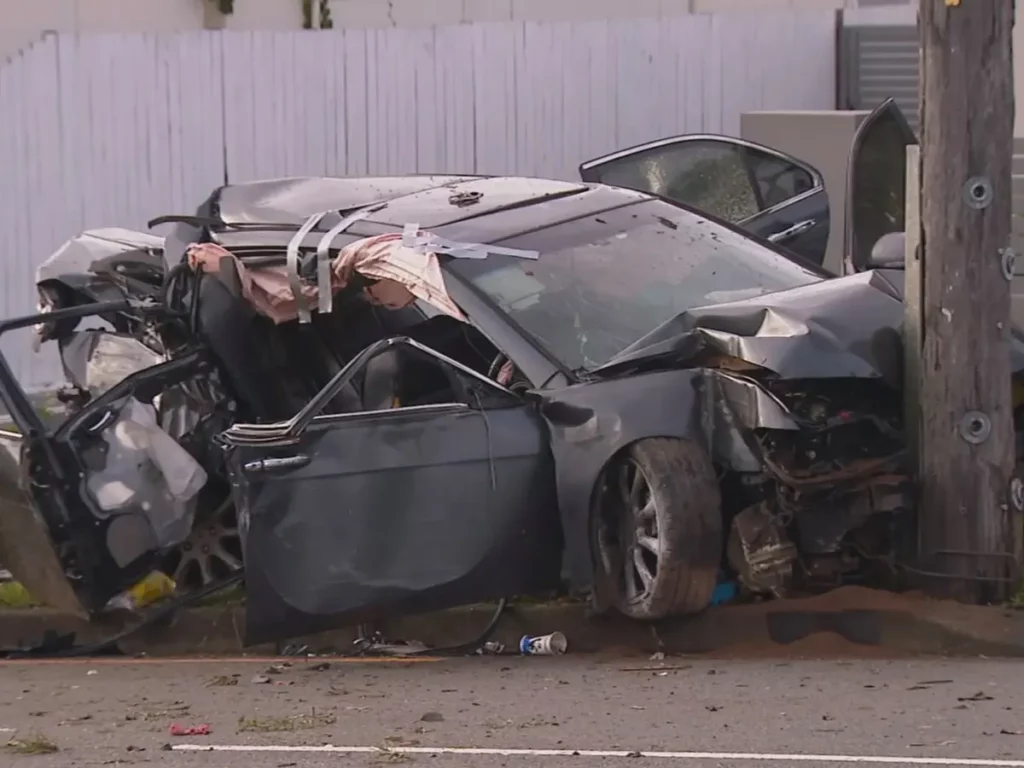
Road traffic accidents pose a significant risk in Nigeria. According to the Federal Road Safety Corps (FRSC), 5,081 individuals lost their lives and 31,874 sustained injuries in road traffic crashes across the country in 2023. Although there was a 21% decrease in the total number of deaths compared to 2022, there is still much work to be done in reducing fatalities and injuries.
Motorcycles present unique risks, with motorcyclists accounting for more than half of road deaths, reaching as high as 70% in many sub-Saharan countries in 2022, as reported by NGO Amend, the FIA Foundation, and the Fédération Internationale de Motocyclisme (FIM).
At Dr. Tunde Aladesan Foundation for Road Safety, we are committed to promoting road safety and emergency preparedness. Here are some motorcycle safety preparedness tips and 10 practices to assist you in riding safely.
Regular Motorcycle Maintenance
Keeping your motorcycle properly maintained is crucial for safe driving. Regularly inspecting your bike before each ride can help prevent accidents caused by mechanical failures.
Before Every Ride:
– Check tyres: Verify your tyre pressure to ensure they are adequately inflated and have sufficient tread. Replace worn-out tyres promptly.
– Check Fuel: Ensure you have enough fuel for your journey.
Monthly and Before Long Rides:
– Inspect Brakes: Check your brake pads and fluid levels to ensure they are functioning correctly.
– Monitor Fluids: Check your engine oil, coolant, and other essential fluid levels and top them up as necessary.
– Examine Lights and Horn: Ensure your headlights, taillights, brake lights, turn signals, and horns are working properly.
Top 10 Safe Riding Practices
Adopting safe riding habits can significantly reduce the risk of accidents.
– Plan Routes: Utilize navigation systems to plan your routes in advance, avoiding heavy construction zones, traffic areas, and known obstacles.
– Check the Weather: Avoid riding in severe weather conditions. If you must ride, reduce your speed and increase your following distance between vehicles.
– Wear Safety Gear: Equip yourself with the appropriate gear to protect against common road elements and debris. This includes a DOT-approved helmet, face shield or goggles for eye protection, leather or reinforced jackets, pants, non-slip gloves, and over-the-knee boots. In dark or cloudy conditions, wear bright, reflective clothing, such as a vest, to enhance visibility to other drivers.
– Carry a First Aid Kit: Ensure you have an easily accessible First Aid kit comprising bandages, disinfecting wipes, alcohol or hand sanitiser, gauze, and adhesive tape in case of accidents.
– Obey Traffic Laws: Adhere to speed limits, road signs, and traffic signals on all roads and highways.
– Avoid Distractions: Refrain from using your phone while riding and focus on the road at all times.
– Watch for Road Obstacles: Exercise caution on surfaces covered in sand, soil, or gravel, as well as on bumps and potholes.
– Maintain Safe Distance: Keep a safe distance (at least four seconds) from the vehicle ahead to allow ample time to react to sudden stops.
– Keep an “Escape Route” in Mind: Always have an emergency escape route in mind, such as moving to the shoulder or side of the road, to enable defensive driving in response to unexpected events.
– Use Turn Signals: Always signal your intentions to other drivers to avoid collisions.
Responding to Roadside Emergencies
Knowing how to respond in a roadside emergency can make a difference between life and death. Refresh your emergency preparedness knowledge by reviewing our 10 simple steps on how to administer First Aid to accident victims.
In general, follow the best practices outlined below.
Stay Calm: If you experience a breakdown or accident, remain calm and ensure your safety first.
Please move your motorcycle to the side of the road if possible, so that you don’t block traffic.
Be sure to switch on your hazard lights to alert other drivers.
If needed, reach out to roadside assistance or emergency services for help.
It’s important to regularly brush up on essential CPR and First Aid skills to be prepared for more serious emergencies.
In conclusion, we believe that training and education at Dr. Tunde Aladesanmi Foundation for Road Safety is crucial.
DTAFRS advocates for shared responsibility in road safety. By being properly educated and prepared, we can save lives and promote safer, more responsible communities.
We suggest staying up to date on local traffic laws, participating in riding safety workshops, and enrolling in First Responder Training that covers CPR, First Aid, and additional skills to effectively handle emergencies.