
Seat Belts and the African Paradox of Road Safety
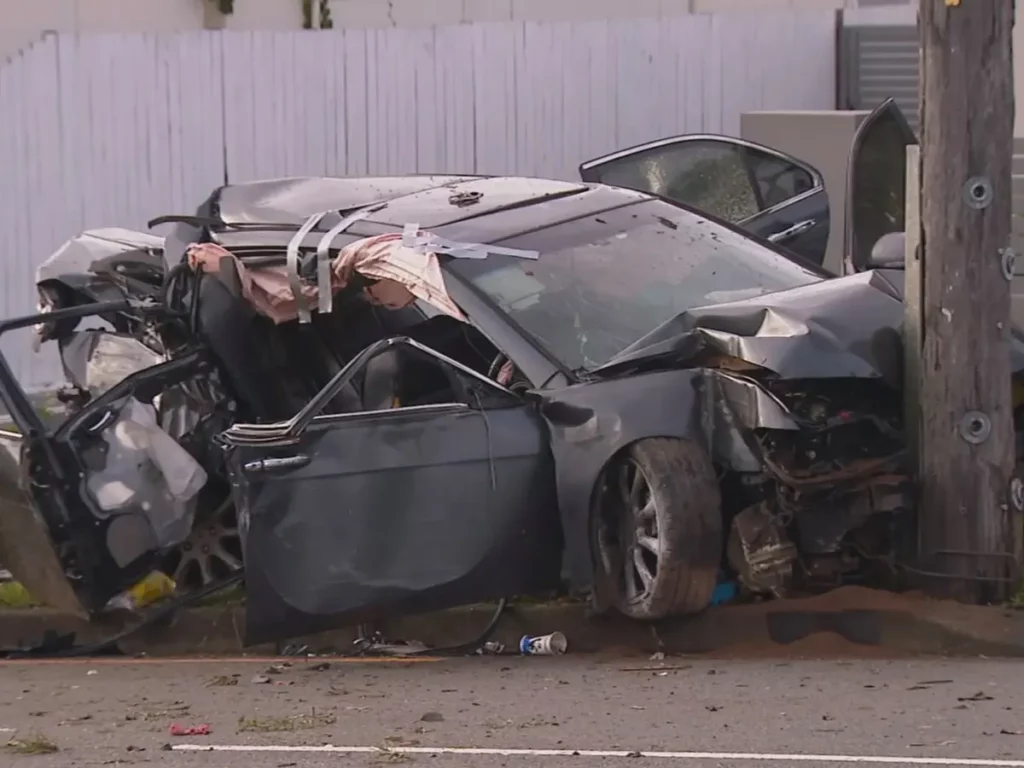
Across the globe, seat belts are universally recognised as one of the simplest and most effective road safety measures. They are not just strips of fabric; they are life-saving devices engineered to absorb impact, prevent ejection from vehicles, and significantly minimise the severity of injuries during traffic collisions.
The importance of understanding seat belts and the African paradox of road safety cannot be overstated as it relates to global traffic safety standards.
According to the World Health Organisation (WHO), wearing a seat belt reduces the risk of fatal injury among front-seat passengers by up to 50%, and among rear-seat passengers by 25–75%. In countries where seat belt laws are strictly enforced, compliance has translated into thousands of lives saved each year.
Yet, paradoxically, many African nations—including Nigeria—continue to record alarmingly low levels of seat belt usage, despite the overwhelming evidence of their effectiveness. In fact, in public buses, commercial taxis, and even private cars, seat belts are often ignored, tampered with, or deliberately avoided. Some public transport operators go as far as cutting them out entirely—repurposing them as ropes—while private drivers may clip them behind their backs simply to silence dashboard alarms.
Addressing the issue of seat belts and the African paradox of road safety is crucial for enhancing the effectiveness of road safety initiatives.
Why Do Many Africans Resist Seat Belts?
Discussions about seat belts and the African paradox of road safety often reveal deep-rooted cultural beliefs that need to be challenged.
Understanding Seat Belts and the African Paradox of Road Safety
The resistance to wearing seat belts in Africa is shaped by a complex interplay of cultural, social, and institutional factors:
-
Discomfort and Perceived Inconvenience
Many passengers complain that seat belts feel restrictive, uncomfortable in hot weather, or unnecessary for short journeys. -
Low Risk Perception
A widespread belief persists that accidents “happen to others, not to us.” This misplaced optimism is often reinforced by the conviction that divine protection alone ensures safety. -
Cultural and Religious Beliefs
In certain communities, buckling up is viewed as a sign of fear, lack of faith, or even an omen that an accident is likely to occur. For some, the very insistence on seat belt use is interpreted as inviting misfortune.Understanding seat belts and the African paradox of road safety helps to highlight the discrepancies in traffic safety culture across different regions.
-
Weak Law Enforcement
While seat belt regulations exist in Nigeria and other African countries, enforcement is inconsistent. Traffic officers may prioritise fines over education, making compliance feel like punishment rather than protection. -
Public Transport Culture
In minibuses, tricycles, and taxis, operators frequently dismiss seat belts as unnecessary, often removing them to maximise space for passengers. This normalises unsafe practices, especially among young commuters.By focusing on seat belts and the African paradox of road safety, we can improve compliance and ultimately save lives.
The Road Ahead: Changing Attitudes and Saving Lives
Overcoming the seat belt paradox in Africa requires more than just legislation—it demands a cultural and behavioural shift.
Emphasizing seat belts and the African paradox of road safety in educational campaigns can lead to greater public awareness.
-
Intensive Public Education Campaigns
Road safety organisations and government agencies must go beyond punitive measures, emphasising not only the legal obligation but the intrinsic value of human life. Campaigns should use storytelling, survivor testimonies, and real-life crash statistics to illustrate the importance of seat belt use. -
Community and Religious Influence
Cultural and religious leaders hold significant sway in African societies. Their visible compliance with seat belt laws can help normalise safe practices, dispel myths, and frame seat belt use as an act of responsibility rather than fear.Engaging communities about seat belts and the African paradox of road safety is essential for changing perceptions.
-
Stronger Yet Balanced Enforcement
While stricter enforcement is necessary, it must be accompanied by public enlightenment initiatives. Road safety officers should focus on awareness as much as enforcement, so that compliance stems from conviction, not coercion. -
Leading by Example
Influential figures—from politicians to celebrities—can play a pivotal role by consistently wearing seat belts in public. Visibility drives acceptance, especially among younger generations.Leading by example regarding seat belts and the African paradox of road safety will encourage others to adopt safer practices.
Conclusion: A Badge of Responsibility
At its core, the seat belt is not a symbol of fear or weakness. It is a badge of responsibility and a recognition that life is fragile yet precious. In a continent where road accidents claim thousands of lives annually, choosing to buckle up is one of the simplest, cheapest, and most effective acts of self-preservation, especially in the context of seat belts and the African paradox of road safety.
For Africa, and particularly Nigeria, tackling the paradox of seat belt resistance is essential to improving road safety, reducing fatalities, and building a culture where protecting life is prioritised above outdated beliefs or fleeting convenience.
Because in the end, every life saved counts—and every seat belt fastened makes a difference.
Ultimately, seat belts and the African paradox of road safety must become a central focus to ensure that every life saved counts—and every seat belt fastened makes a difference.